

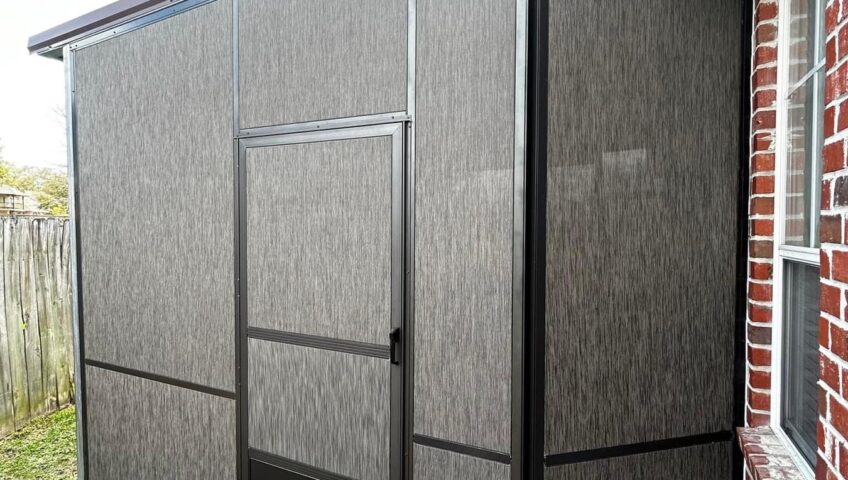
Homeowners across Arkansas, Texas, and Louisiana face a shared challenge every year—weather. Strong winds, hail, torrential rains, and even hurricanes are a reality in this region. So the question becomes:
How can you protect your home’s exterior and interior without sacrificing style or usability?
Storm shutters have long been a trusted solution. But with the rise of motorized retractable screens, solar screens, and fixed screen systems, it’s worth asking what truly offers the best protection.
This guide breaks it all down—so you can make a confident, weather-smart decision.
What Are Storm Shutters?
Storm shutters are permanent or deployable panels installed on the outside of windows or doors. Their purpose is to shield glass and framing from wind, debris, and flying objects during storms or hurricanes.
They’re typically made of reinforced aluminum or composite materials and are engineered to meet specific wind-load standards. When deployed, they offer physical protection that no screen alone can provide.
Benefits of Storm Shutters
✅ Maximum protection from wind-borne debris
✅ Secure sealing that reduces water infiltration
✅ Lower insurance premiums in many areas
✅ Long-term durability in coastal and inland climates
For homeowners in high-risk storm zones, hurricane-rated shutters are often considered essential—not optional.
How Do They Compare with Motorized Screens?
Motorized retractable screens are not designed to withstand impact from debris, but they do offer significant benefits in non-hurricane conditions.
These benefits include:
-
Day-to-day solar control
-
Bug and insect protection
-
Improved privacy
-
Reduced interior fading and heat gain
-
Integration with patio covers
Screens can help reduce storm prep time, but they are not replacements for storm-rated systems.
Solar Screens: Protection from Heat, Not Wind
While window solar screens excel at minimizing sun exposure and cutting glare, they’re not designed to block or deflect debris.
They can:
-
Reduce energy bills
-
Protect drapery and flooring from sun damage
-
Allow ventilation while keeping out pests
But when it comes to hurricane conditions, they should be paired with shutters or impact-rated windows.
Are Storm Shutters Right for You?
Ask yourself:
-
Do I live in a coastal or high-wind area?
-
Have I experienced glass damage during past storms?
-
Does my insurance require storm mitigation systems?
-
Do I need fast-deploying protection during hurricane season?
If the answer is yes to any of these, hurricane shutters are not just recommended—they’re critical.
Integrating Multiple Systems
Smart homeowners are no longer choosing between protection and comfort. They’re integrating both.
Here’s how a layered system might look:
-
Fixed screens on less-used outdoor areas
-
Motorized screens on patios, porches, and outdoor kitchens
-
Solar window screens on south-facing windows
-
Storm shutters on all glass doors and vulnerable exposures
To explore system compatibility, visit the Services page or schedule a free consultation via the Contact Us page.
Maintenance and Longevity
Storm shutters require minimal upkeep—typically a visual inspection and lubrication twice a year. Screens and window shading systems may require light cleaning and clearing of tracks, but little else.
Choosing a local provider like ArkLATex Screens ensures access to product-specific support and ongoing maintenance advice.
Still Deciding? Read the FAQs
The FAQs page includes answers on warranty, installation, and custom configuration options. You’ll also find guidance on:
-
Automation
-
Smart home integration
-
Permits and local code compliance
-
Weather sensor options
-
Financing
Conclusion: Think Beyond One System
While storm shutters offer superior protection, they’re even more effective when paired with solar screens, patio enclosures, and motorized screens.
Don’t wait until the next storm is on the radar. Start building your home’s protective layers today.
Learn more at the Home page or speak to a specialist via the Contact page.